Author: Mordechai Djavaheri

  • The Halachic Prenup: Safeguarding Our Future

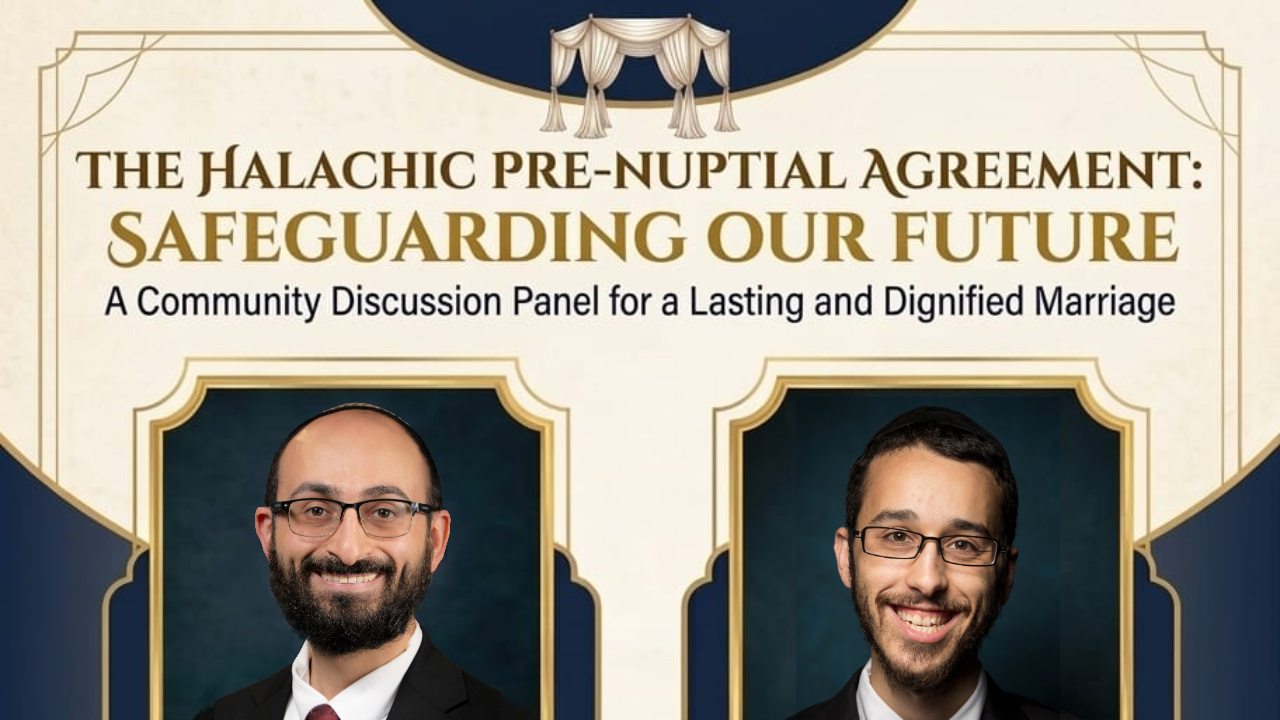
    The Halachic Prenup: Safeguarding Our Future

    Rabbis Ike Sultan and Mordechai Djavaheri in conversation about the history, strengths, and weaknesses of Rav Mordechai Willig’s Halachic prenup and if it’s appropriate for Sephardim. This was a joint panel for their Yeshiva University shiurim.

    Watch: https://youtu.be/INeuDb2pOxI

    Listen: https://www.yutorah.org/lectures/lecture.cfm/1168720

  • Blizzards & Bet Din: Snowball Fights, Killing Snowmen, Fallen Trees, Shoveling, & Cars

    Blizzards & Bet Din: Snowball Fights, Killing Snowmen, Fallen Trees, Shoveling, & Cars

    Rabbi Djavaheri delivered a shiur on the topic of snow damages at The Cooper Union’s Midrash Lunch and Learn on Tuesday, February 24th, 2026.

    You can listen to the recording here.

    Key takeaways with some sources below:

    Snowball fights:

    One is liable for harm he causes others; although, if there is a planned snowball fight in set arena space, there’s an argument to say that all participants are forgoing their right to claim damages. This is similar to the classic Purim/Simchat Torah/wedding dispensation discussed in Shulchan Aruch, Orach Chaim 696:8 and Choshen Mishpat 378:9, 421:5. See also this article.

    Snowmen and Igloos

    Snowmen and igloos have no market value, so, although one does not have to pay for ruining another person’s snowman, he still may not cause the snowman’s owner a loss by destroying it. Damage is calculated in Halacha by change of market value, irrespective of sentimental value (Netivot HaMishpat 148:).

    Trees Laden with Snow

    Damage caused by healthy otherwise upstanding trees that fall in freak blizzards/storms is beyond the realm of one’s responsibility. If the tree was sick, weak enough to fall in a regular wind, or supposed to be cut for some reason and then falls because of the blizzard and causes damages, the owner is liable (Shulchan Aruch, Choshen Mishpat 416:1, see also 155:25-32).

    After it falls, if one negligently leaves it in the street, he is liable for damage done to people but not property as a function of Bor (Shulchan Aruch, Choshen Mishpat 410:21).

    Cleaning and Shoveling Driveways, Cars, and Sidewalks

    In New York City, the city owns the sidewalk, but the tenant is obligated to maintain it according to civil law. Halacha also requires one to clean his sidewalks as a function of following the law of the land (Dina DeMalchuta Dina ), neighbor law (Shechenim), and removing stumbling blocks. See Shulchan Aruch, Choshen Mishpat 155, 339, and 427:8.

    If someone doesn’t clean the snow off his sidewalk and a passerby fell and was injured, he could be liable by function of Dina DeMalchuta Dina for laws made for the public’s good (Tikun HaMedina). See Rav Henkin’s Teshuvot Ibra (Siman 97) and Rav Yona Reiss’s Kanfei Yonah (Siman 5) but note that not all agree that Dina Demalchuta Dina functions this way.

    An unauthorized snow shoveler who digs out another person’s car can charge market rate for his time (Yored Le’Sde Chavero), assuming someone would have/has not yet been hired to do the job (Shulchan Aruch, Choshen Mishpat Siman 375). See these great articles by Rav Meir Orlian (part 1 and 2).

    If people usually dump their snow on the sides of the public roads, then one may also do that, as per local custom (Minhag HaMakom), but he may not dump it on a neighbor’s property. He may, however, take snow from a neighbor’s property for his own personal use. Presumably nobody wants more snow, and most would appreciate less snow. See Shulchan Aruch, Choshen Mishpat Siman 153.

    By law, one is obligated to clean off the roof of his car before driving. Halacha would recognize that as by sidewalks, as noted above. If one drives and the snow or ice falls and causes damage, he would be liable, because aerodynamic drag and lift of the snow caused by one’s driving is his responsibility (Rabbi David Pahmer).

    Thanks to Rabbi Chaim Packer, Rabbi Yonah Reiss, and Rav Meir Orlian for their assistance in clarifying these issues.

  • The Syrian Conversion Edict, History & Discussion

    The Syrian Conversion Edict, History & Discussion

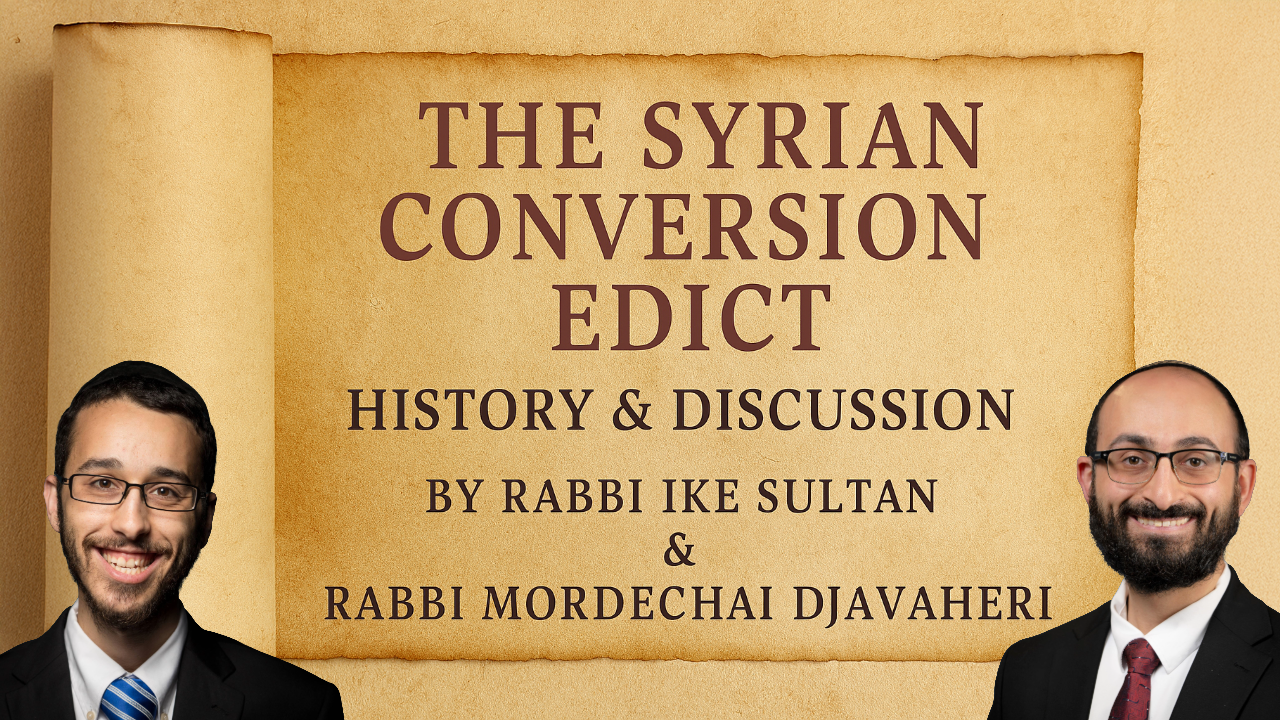
    Discussing the Syrian community’s edict banning converts from entering the community – its historical background, halachic mechanism, strengths, weaknesses, and evolution. This panel was meant to educate and inform the students in the rabbis’ classes, not actively change any communal policy. Rabbi Ike Sultan is the CEO of Halachpedia.com and a Rebbe in the BMP Program at YU. This panel was planned to complement his shiur learning the topic of Ger Kattan in Masechet Ketubot.

    His Chavruta, Rabbi Mordechai Djavaheri is a Rebbe in the YU IBC Program. They both have many Sephardic students, including those of Syrian and Persian decent.

    Listen here or watch below.

  • Writing a Get in Poughkeepsie, NY

    Writing a Get in Poughkeepsie, NY

    As the Covid Pandemic waned, there was a possibility that we would have to write a Get in Poughkeepsie, NY. An investigation was launched and went on for a few days to determine all the right identifying bodies of water and pronunciation of all the names.

    When all was said and done, we discovered Rav Nota Greenblatt, who was no longer functioning at the time, had been there already. The Gittin were located, and we found out he came to the same conclusion about the spellings and location.

    The article was published in Ohr Yisroel (Monsey) issue 44 page 307.

  • The Status of Persian Kohanim

    The Status of Persian Kohanim

    Some decades ago a rumor started spreading that Iranian Kohanim were not actually Kohanim; rather, the uneducated Persian Jews would often “volunteer” to be Kohanim for some period of time as a token of thanks to Hashem for some personal salvation. Although the Iranian rabbis who had been on the ground in Iran in the 20th century penned a letter testifying that they never witnessed this phenomenon, the damage was already done, and some Poskim even till today will consider the possibility in cases of Jewish status determination for Kohanim from Iran.

    Rav Djavaheri and Rav Eliyahu Bar Shalom, the chief rabbi of Bat Yam, published an article and rebuttal in the HaMashbir journal refuting and defending these rumors and their halachic value.

    You can read the article below and listen to the shiur here: The Priestly Republic of Iran – Defending the Lineage of Persian Kohanim.

  • Spelling the Persian Name Pejman in a Ketubah or Get

    Spelling the Persian Name Pejman in a Ketubah or Get

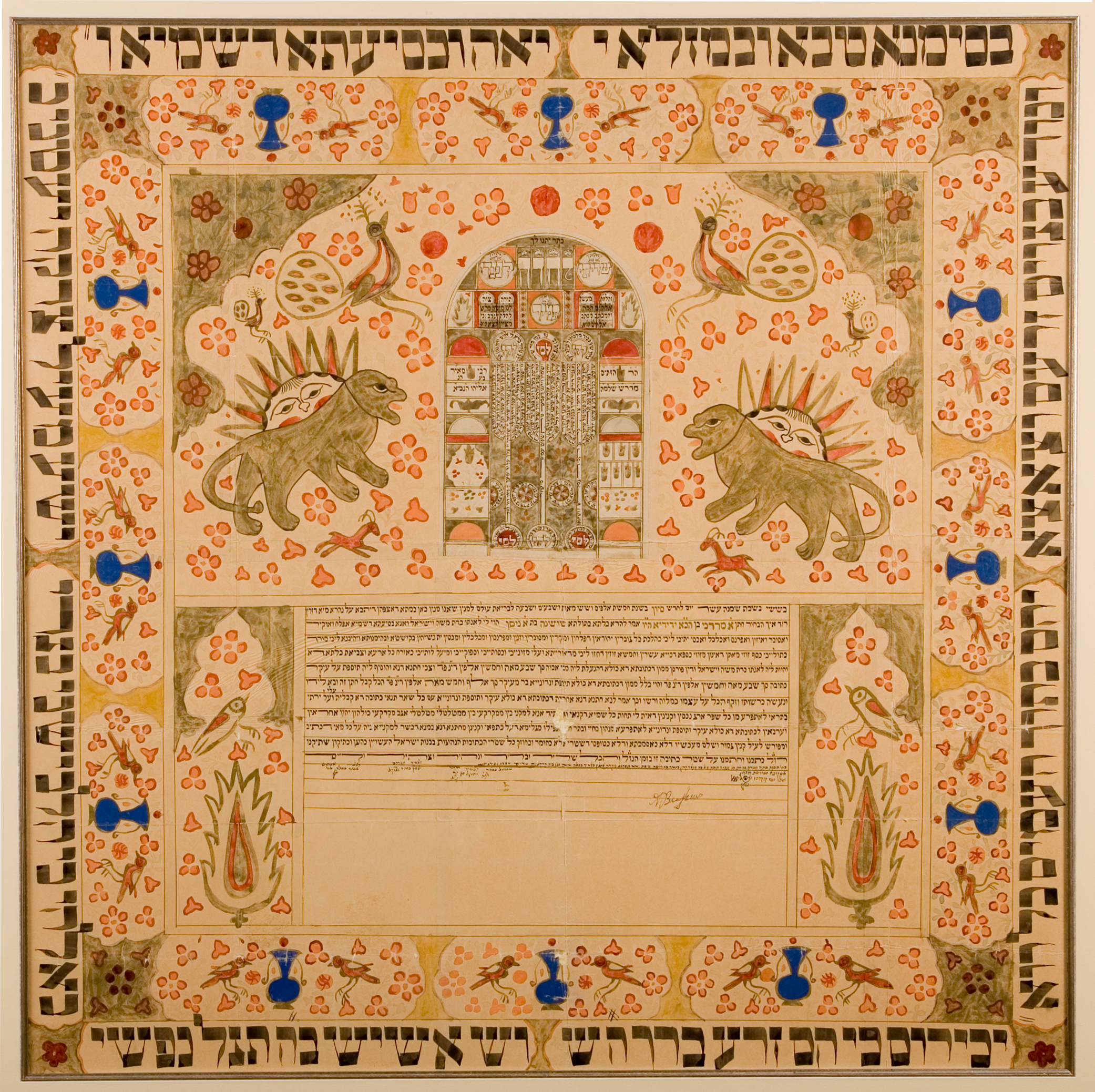
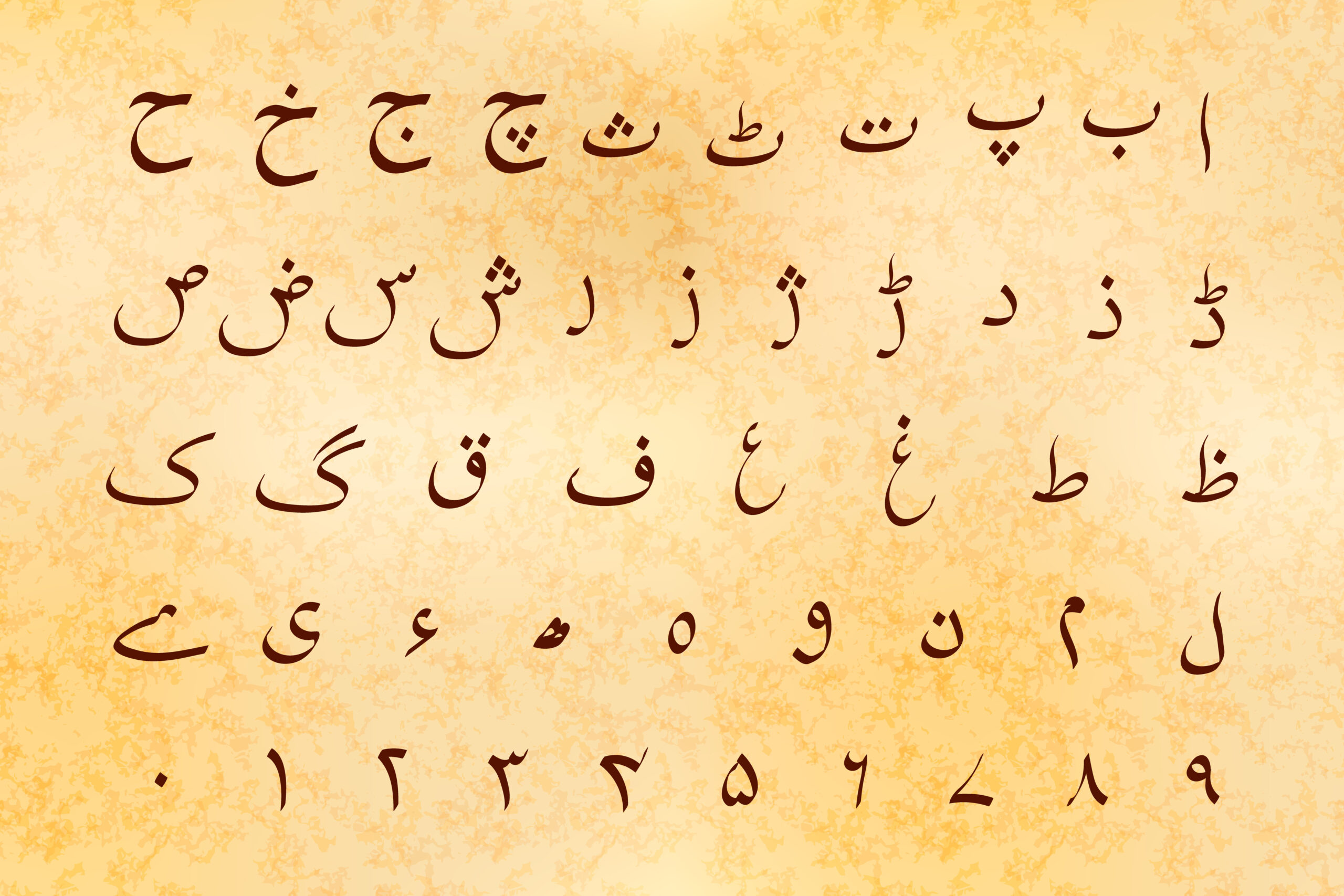
    The correct spelling of names in the Get is critical to its efficacy. In this article, Rabbi Djavaheri discusses the transliteration of Persian (Iranian) names. The name at hand, Pejman, includes the Farsi letter ز (the /ʒ/ phoneme, a voiced postalveolar fricative, which sounds like J as in Jacques).

    Ashkenazim traditionally mark this sound with a זש, but there are different customs among Sepharadim. Some do a ג’ (a gimmel with an apostrophe), while others use a ז’.

    The responsum include a letter from Hacham Asher Hatchuel from the Sephardic Bet Din of Brooklyn and references to the views of other great Sephardic Dayanim of Israel and America today, including Rav Moshe Basri, Rav Eliyahu Ben-Haim, Rav Nissim Davidi, Rav Shmuel Khoshkerman,

    Le’Halacha: both פג’מאן and פז’מאן are acceptable.

    It was published in Beis Yitzchok vol. 50 pg. 232.

  • Wedding at The Sands at Atlantic Beach, NY

    Wedding at The Sands at Atlantic Beach, NY

    In this article, Rabbi Djavaheri advises another Bet Din about how to write the name of the location in a Ketubah for a wedding taking place at the popular venue The Sands Atlantic Beach on the South Shore of Long Island, New York.

    The issues covered include the proper orthography (transliteration/spelling) of the CH sound (IPA /tʃ/ ) for Sepharadim in Gittin and the true legal municipal boundaries of Atlantic Beach.

    It was published in the journal Avkat Rochel issue 30 pg. 190.